What Air Duct Cleaning Can Do for Your Des Moines Home
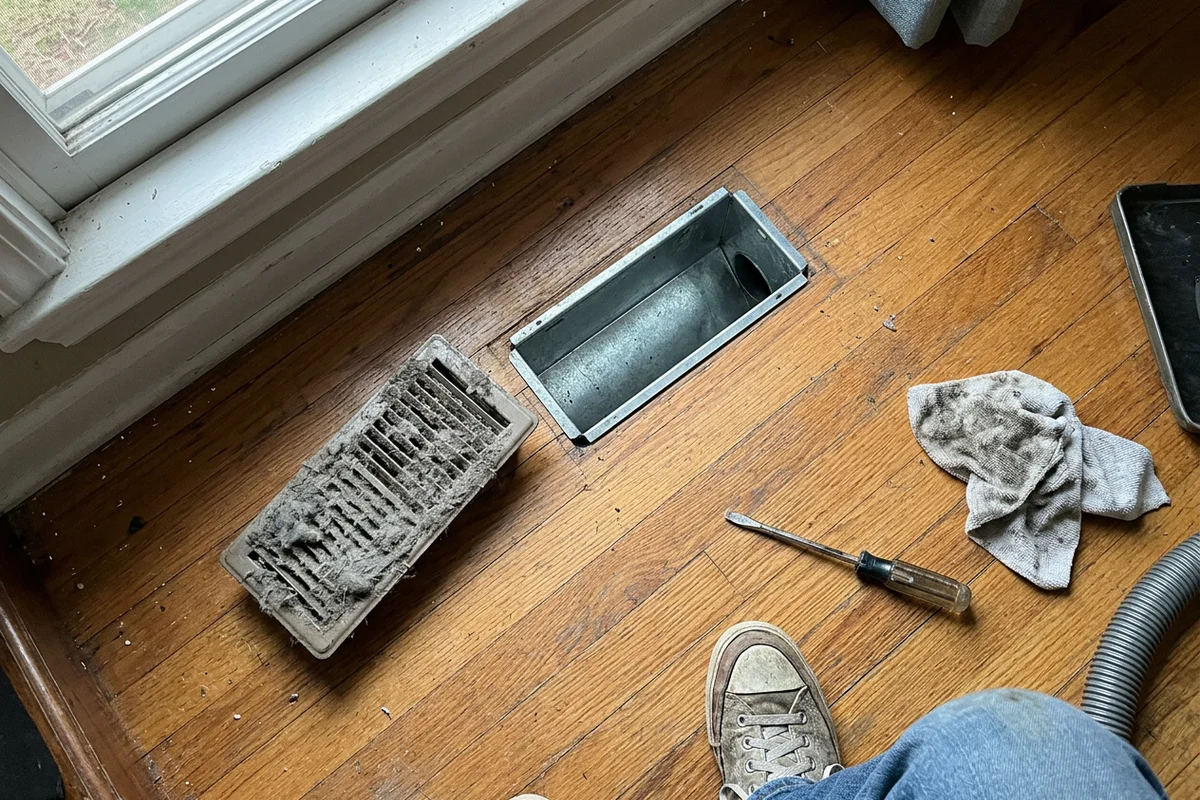
Air ducts move the air in your house all year. Over time, dust, pet hair, drywall residue and everyday debris settle inside the supply and return runs. Air duct cleaning clears that buildup so the system is moving cleaner air to every room.
Most homeowners start thinking about it for a simple reason: something looks or smells off. Dust returns quickly. A vent breathes out a musty smell when the furnace kicks on. A remodel left grit everywhere. Those are all fair reasons to take a look inside the ducts.
We start with questions, then an inspection of the runs we can reach. You get a written quote that matches the scope, and you decide what happens next.
What Is Included
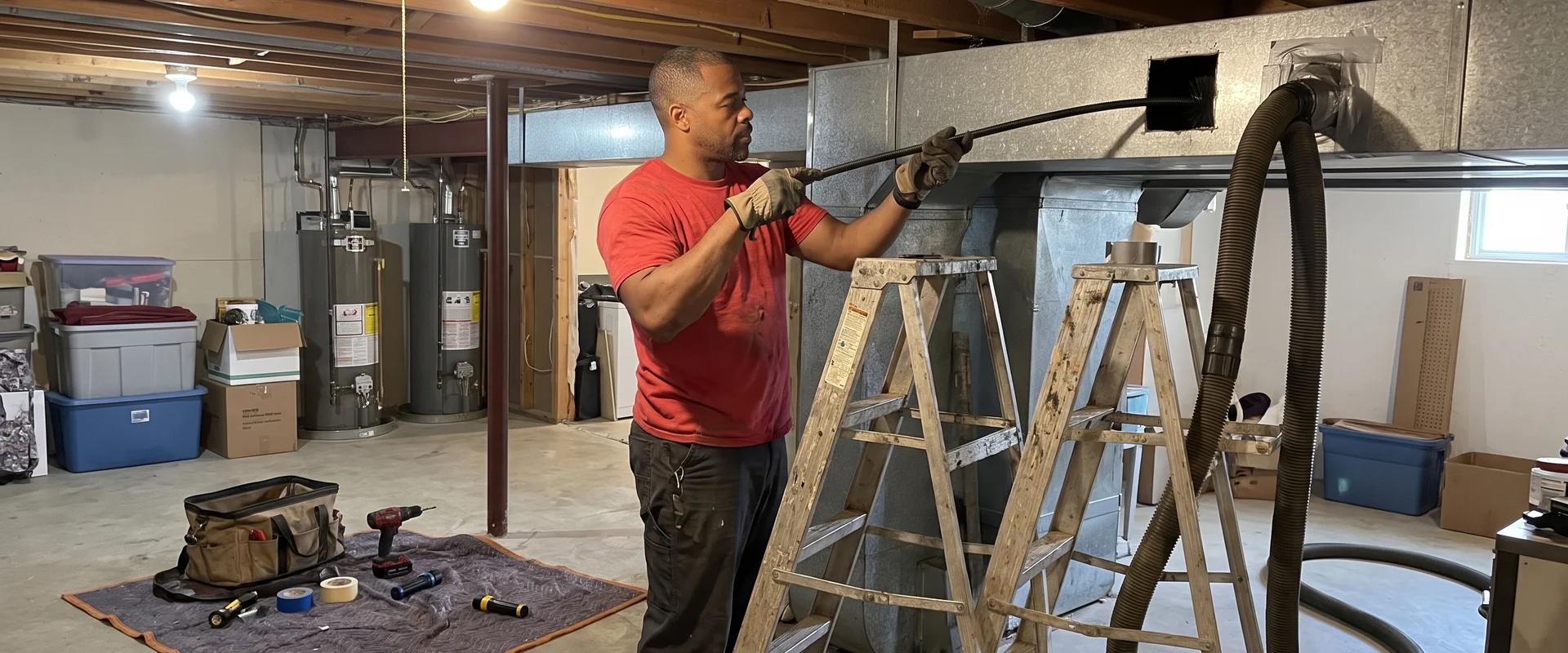
Every job begins with the parts of the system you can see and the parts a camera can reach. From there, the work focuses on the supply ducts that push air into rooms, the return ducts that pull air back to the furnace, and the registers and grilles that connect them.
When we are in your basement or crawlspace, we also check duct seams and connections. Loose joints on a return duct can pull air from the space around it. Tightening up those seams is a simple step that keeps airflow where you want it.
We also tell you plainly what cleaning does not do. It will not fix a failing furnace, and it will not change the radon level in your home.
How the Process Works
The structured steps above show the flow, and the practical version is short. You call, we ask what you are seeing, and we inspect the system. After you approve a written quote, we clean the ductwork, reconnect everything and walk you through the results.
If your ducts run through the basement, the last step is a conversation about radon. We are a radon company first, and we would rather you know your number than guess.
Why Basement Air and Radon Belong in the Same Conversation
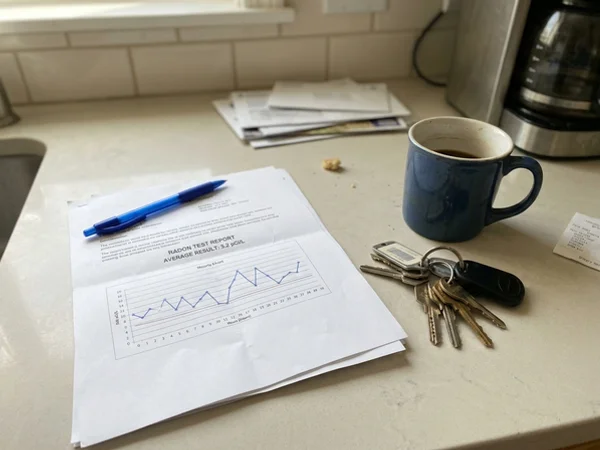
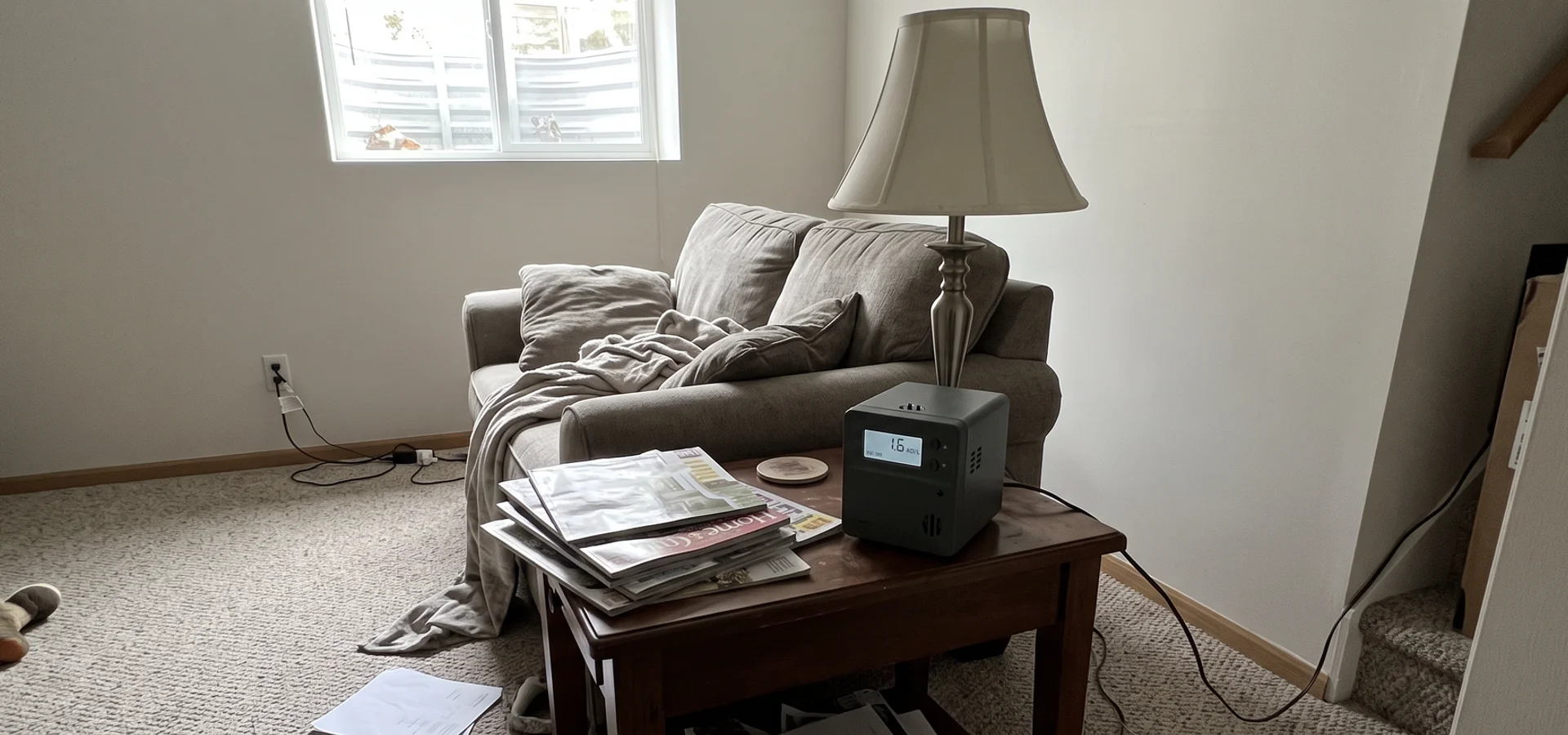
Iowa is an EPA Zone 1 state, the highest radon risk level, and roughly 71% of Iowa homes test above the EPA action level of 4.0 pCi/L. Radon is a soil gas that enters through the foundation, so it collects at your lowest level first.
Ductwork often runs right through that lowest level. A return duct with leaky seams in a basement or crawlspace can draw air from the space around it and spread that air through the house. Cleaning the ducts does not stop radon from entering, but it is a good moment to find out what your basement air looks like.
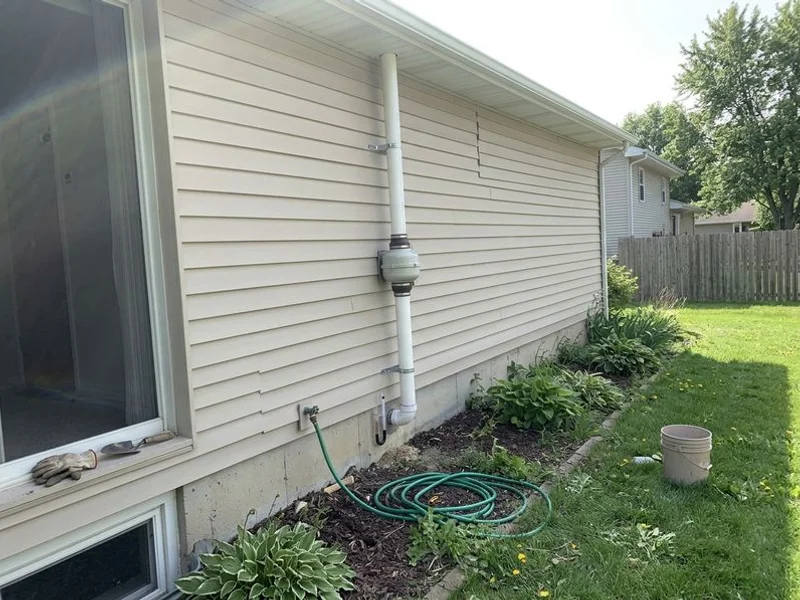
If you have never tested, start with radon testing. If a result is already above 4.0 pCi/L, the fix is a residential radon mitigation system matched to your foundation. If you already have a system and an alarm or reading looks wrong, see radon system maintenance.
Serving the Des Moines Metro
We work out of Des Moines and serve homes across the metro. Whether you live in an older house with a mix of basement and crawlspace or a newer build in the suburbs, the ductwork questions are similar: how clean is it, how tight is it, and what is happening at the lowest level of the house.
Call (515) 218-7447 any time to book, or send a request through our contact page and we will follow up with a written quote.